
The Eucalyptus Tree
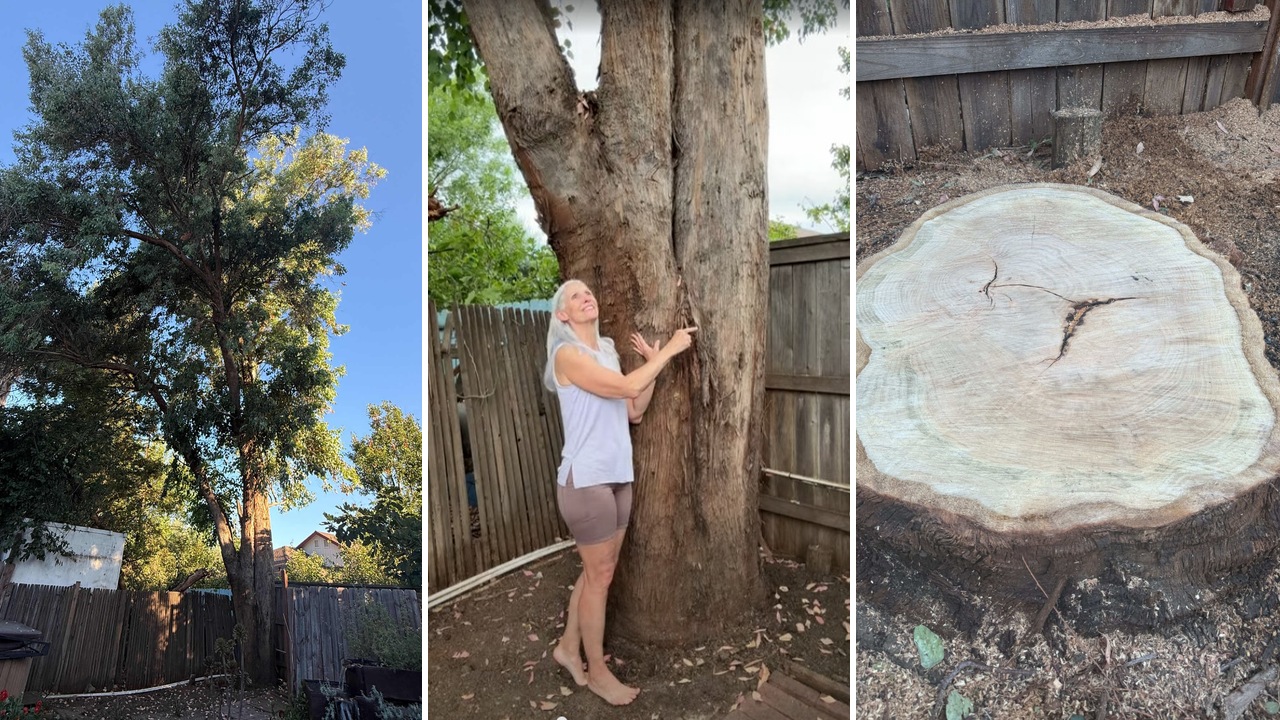
I looked at it for 30 years, this towering, gigantic eucalyptus tree. I used to think, who in their right mind plants a tree that big in their backyard? And then one day it dawned on me: it was here long before this house, which was built in 1978. The tree chose us, not the other way around.
The Night Before
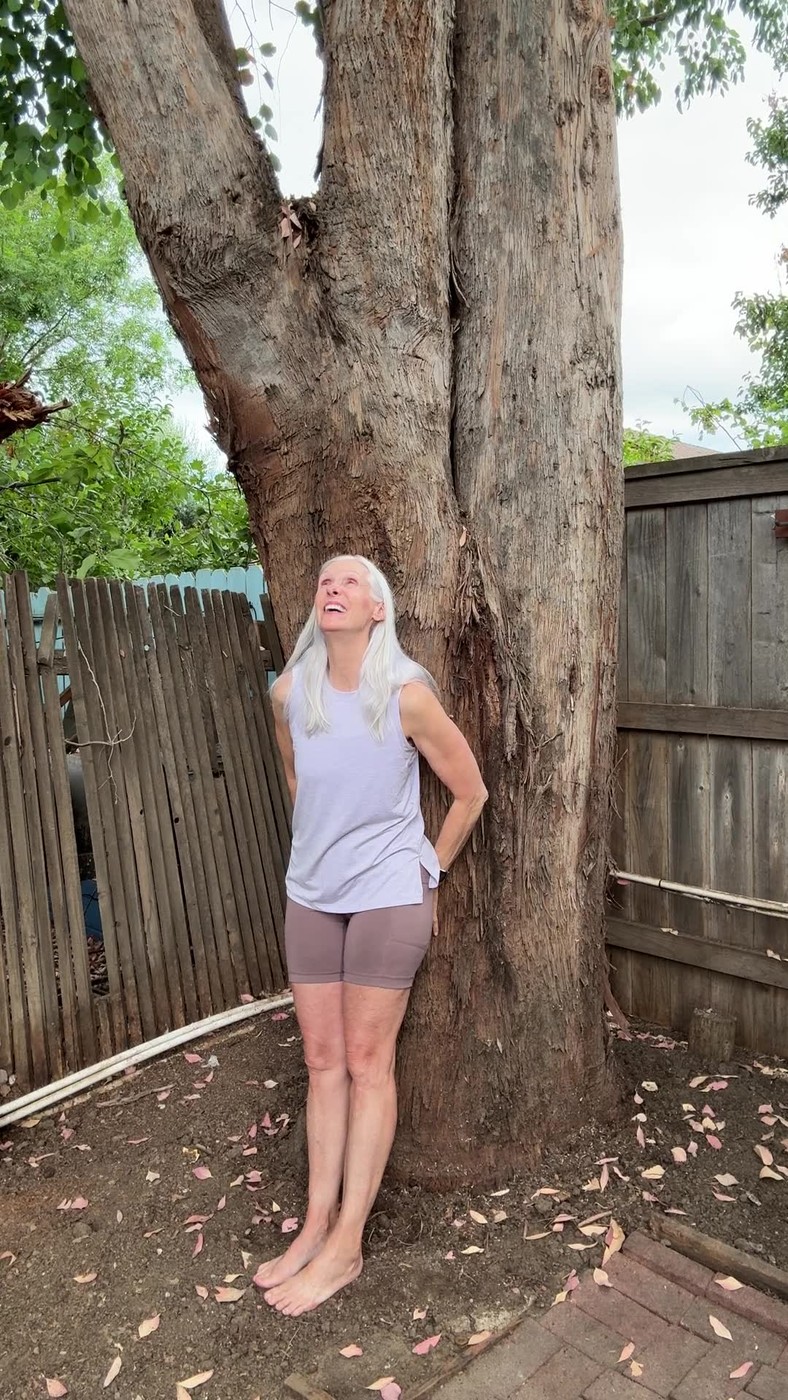
The night before they cut it down, I went out and sat next to it. I looked up at its very tall branches and thanked it for giving us shade, for watching over our house, for housing the squirrels and birds. I told her I did not like the leaves that went everywhere, year-round. I leaned against her, and I could feel her strength, her immovable, unshakeable energy. It was as if she said, I know it's time for me to go.
Why We Waited So Long
I remember, about a year ago, sitting outside on my deck, talking with a client online when I heard a cracking sound. A huge branch split off from the main trunk and fell. Good grief, I thought, what if that limb had landed on me, or on the house?
Years before that, during a major wind storm, another branch broke off into our neighbor's yard and took down part of his fence. Andrew, my son, was a teenager then, and I sent him over to help clean up the branches. When I called the insurance company, they told me something I've never forgotten: we don't cover damage if a limb falls into your neighbor's yard, but if it falls on your own house, you can absolutely file a claim.
Wow.
So for years, we debated. Should we take it down? We wondered how much an undertaking like that would even cost. Would we need to take out a loan?
Eventually I found a company that had done work on a neighbor's tree. They came out, gave us a reasonable estimate, and within five days, they were here.
Now I sit and look into that corner of the yard, adjusting to the new view, to the unshaded part of the garden that used to be hers.
Watching Her Come Down
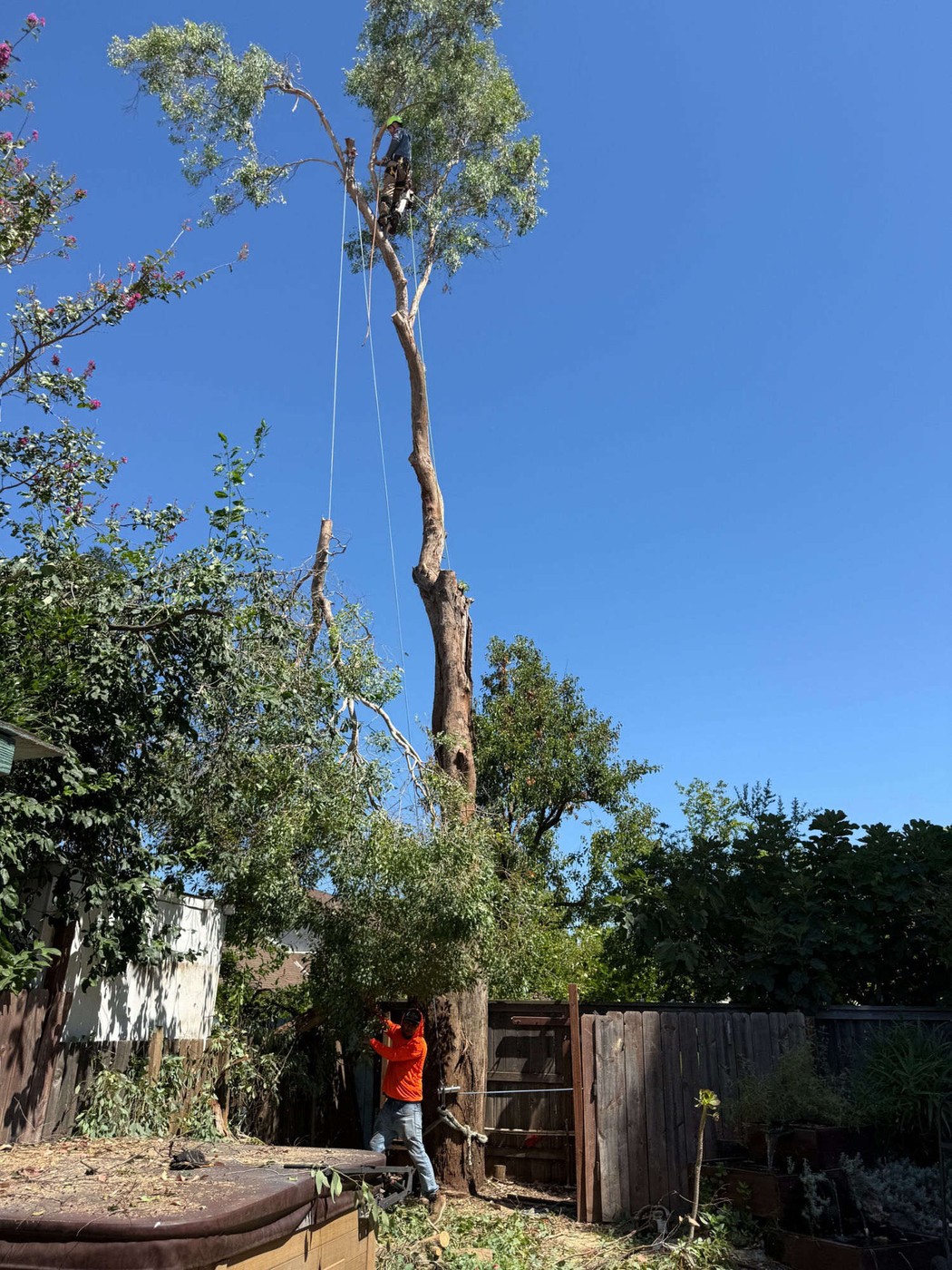
It was fascinating to watch them take the tree down, limb by limb. The head cutter was skilled. At one point I watched him standing at the top of that 70-foot tree, and I found myself already adjusting, imagining the barrenness, the lack of shade, before it had even happened.
The Squirrel's Goodbye
Yesterday I watched a small, heartbreaking thing. The squirrel who lived in that tree jumped onto the neighbor's shed, then to a branch on the other side of the fence, then up onto the fence that borders our yard. He used to love picking the figs there while watching our neighbor work in the garden. When I went over to tell our neighbor the tree was coming down, he told me that story about the squirrel looking him square in the eye while helping himself to the figs. He and his wife were overjoyed at the news. Turns out they hated the leaves in their yard just as much as we did.
I felt so sad for the squirrel, and yet I could see he was already adapting, finding another pathway to the top of the fence, the same path he still roams every day. On the other side of that fence are redwoods in my neighbor's yard, and I hope he finds his way there to live with his mates.
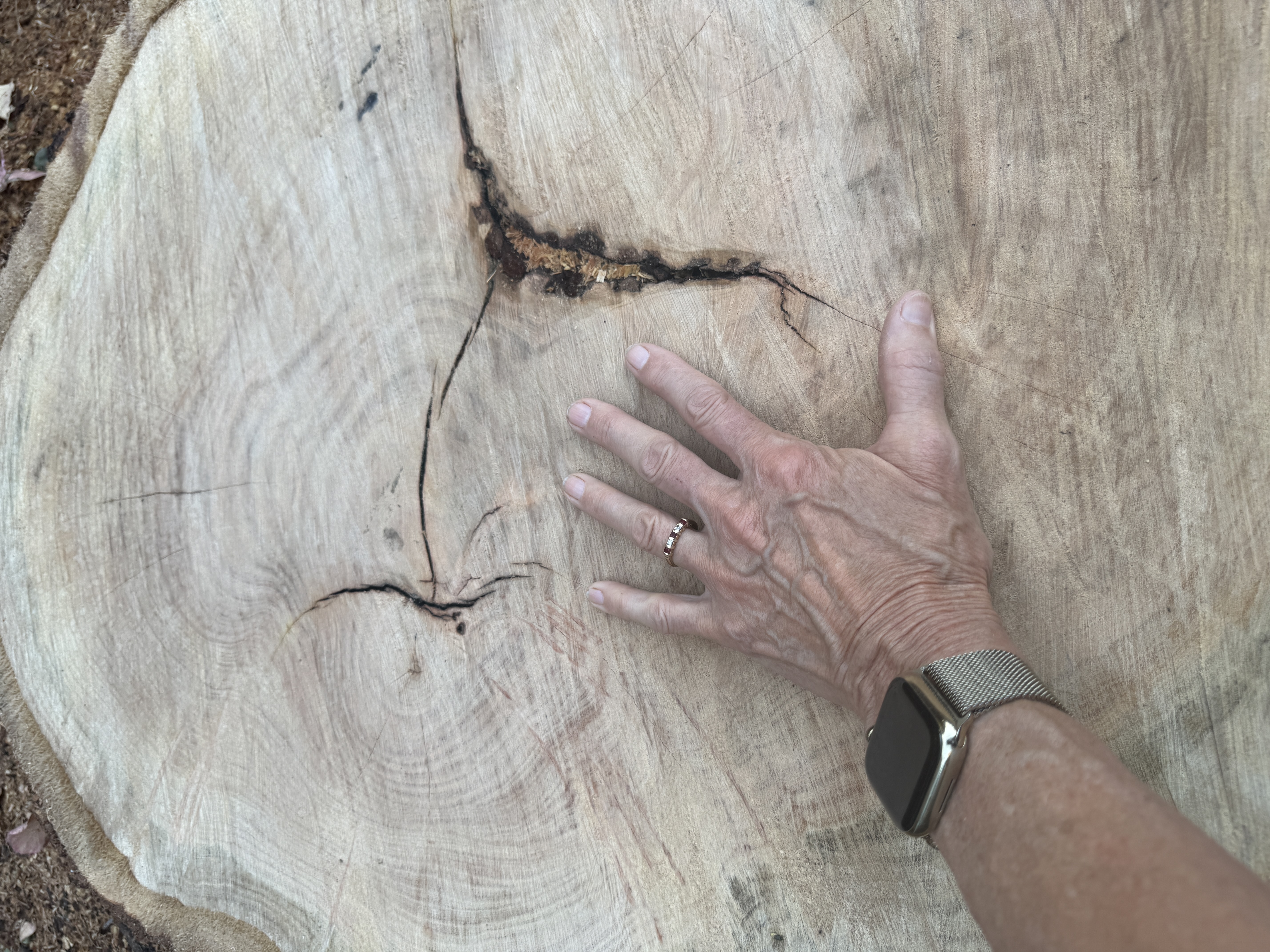
The tree was most likely 100 years old. Thom counted the rings on the stump.
What I've Thought About Since
You can be sad and happy about the same event, at the same time.
Feeling attached to something is a gift. It's also what makes it so hard to let go.
We are all more adaptable than we think. We find other ways to get our needs met.
Nothing lasts forever. We all have to let go, eventually.
I'm grateful for that tree, for 30 years of it. I'll remember how much it was a part of our lives, always there in the background, waiting, standing tall. Unbendable, except for a few dried-out parts. Unshakeable. Secure. Shedding and letting go of its annoying leaves, year after year.
Those are the lessons of our tree.
This morning, a hummingbird was back at the feeder, still searching for nectar in the red flowers nearby. Life doesn't skip a beat.
What the tree taught me about us
I think about this a lot with the women I work with, too.
How many of us have something we've outgrown, something we already know isn't serving us anymore, and we debate it for years? We tell ourselves it's not that bad. We worry about what it will cost us, financially or otherwise, to finally deal with it. We wait for a sign, a cracked branch, a wake-up call, before we let ourselves act.
And when we finally do let go, we don't just grieve. We adapt, too, sometimes in the very same moment. Both are true at once. You can miss what's gone and still find a new path over the fence, the way that squirrel did.
If you've been standing in your own yard for years, looking at something you already know needs to come down, that's not indecision. That's being human. Learning to trust that instinct enough to act on it is the whole reason I built Anchored, a program for women who are tired of second-guessing themselves and ready to trust what they know. It opens this fall. More details are coming soon, and I'll make sure you're the first to hear.
Over to you
What's the eucalyptus tree in your life right now..the thing you already know it's time to let go of, but haven't yet? Write me at [email protected]. I'd love to know.
Want more of this in your inbox?
I write about what it really takes to know yourself, trust yourself, and stop being so nice at the cost of being real. Weekly, honest, yours.
Ready to go deeper? Get my weekly essays on self-trust, speaking up, and living without regrets. Straight to your inbox.


Jo Hatcher
Pychotherapist, Coach, Retreat Leader
For women who second-guess themselves, struggle to speak up, and are ready to start trusting what they know. Real support from a therapist and coach with 30 years of experience.
Recent Posts
Topics
All Categories